Source Outdoor Polyester Water Bottle Carrier for Hiking, Camping, and Travel
Find 30 verified options for an outdoor polyester water bottle carrier designed for durability and convenience. Compare features like leak-proof construction, soft hardness, and multi-functional carrying structures to find the right supplier for your needs; compare the available evidence and request quotations based on your requirements.
Key considerations
Products List


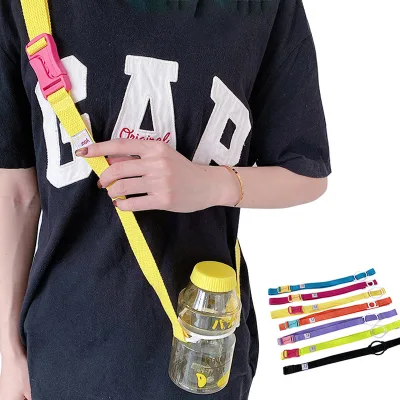


Comprehensive Sourcing Guide
Outdoor Polyester Water Bottle Carrier Sourcing Guide
Buyers seeking outdoor polyester water bottle carriers must first distinguish between general utility and specialized performance. The observed market data indicates a specific product category where polyester is the primary material, often paired with soft hardness and waterproof attributes to ensure durability in wet conditions. This material choice supports the "Simplicity" and "Modern" styles frequently listed, catering to unisex users who require multi-functional gear for activities involving two persons or less.
Procurement decisions should prioritize the specific functional requirements of the carrier, such as the ability to hold bottles securely while remaining lightweight. The observed listings highlight features like "Easy Carrying" and "Foldable" structures, which are critical for outdoor mobility. Buyers must verify that the "Polyester" construction aligns with the intended load, as some observed variants specify a bearing capacity of less than 2 kg, necessitating careful selection based on the volume and weight of the bottles being transported.
Product Scope and Observed Listing Signals
The product scope for outdoor carriers varies significantly in capacity and design, ranging from simple single-bottle holders to multi-bottle systems. While some observed listings describe a capacity for six bottles of 580ml, other entries focus on single-unit convenience with capacities exceeding one liter. This divergence requires buyers to clearly define their volume needs, as the "Kind" of product can shift from a "Wine Bottle Carrier" to a general "Convenient Cup" holder depending on the specific model selected.
Artwork and customization options are prominent signals in the current market, with silk printing and heat transfer methods widely available. Buyers should note that while "Customization" is generally available, the "Pattern" often defaults to "Pure Colour" unless a specific design is requested. The "Multicolor" option exists but is not universal, meaning procurement teams must confirm if the desired aesthetic matches the standard "Pure Colour" offerings or requires a custom order to achieve specific branding goals.
Technical Specifications to Verify
Technical verification must begin with the structural integrity and material composition of the carrier. Buyers should confirm that the "Polyester" material meets the "Soft" hardness requirement while maintaining the "Waterproof" status essential for outdoor use. It is critical to validate the "Bearing Capacity" against the actual weight of the intended load, as observed data suggests some units are rated for less than 2 kg, which may be insufficient for heavy glass bottles or large water containers.
Packaging and model specifications provide further technical clarity for logistics and inventory management. The observed "prod_packing" methods vary from simple polybags to flat-packed units, directly impacting shipping volume and storage efficiency. Buyers must cross-reference the specific model numbers, such as BH240501 or BH240510, to ensure the physical dimensions and "Structure" match the operational needs of the end-user, particularly regarding the "Foldable" nature of the carrier.
Compliance and Safety Documentation
Compliance documentation is a critical component of the procurement process, with several standards frequently cited in the market. Buyers should verify the presence of ISO9001, SA8000, and FSC certifications, which indicate adherence to quality management, social accountability, and sustainable forestry practices respectively. While some listings mention FDA certification, this is typically relevant for food-contact items, so buyers must ensure the specific carrier model intended for bottle transport actually holds this status if it will come into direct contact with consumables.
Safety and material safety data sheets are essential for verifying the non-toxic nature of the polyester and any attached hardware. The "Non-Disposable" attribute suggests a focus on durability and long-term use, which implies that the materials used must withstand repeated handling without degrading. Buyers should request test reports confirming that the "Anti-Rusted Opener" or any metal components included do not pose a corrosion risk, ensuring the product remains safe for extended outdoor exposure.
Cost Drivers and Commercial Terms
Cost drivers in this category are heavily influenced by customization levels and order volume. The observed MOQ ranges from 500 pieces to 30,000, creating a significant price variance based on the scale of the purchase. Buyers should anticipate that lower MOQs, such as the 500-piece threshold, will carry a higher unit cost, while larger orders may benefit from economies of scale. The "Fob" price term indicates that the buyer is responsible for freight and insurance from the port of loading, which adds a variable cost layer to the base product price.
Lead times and payment terms also play a substantial role in the total cost of ownership. The standard production lead time of 45 to 60 days requires careful supply chain planning to avoid stockouts, while the sample lead time of 5 to 7 days allows for rapid prototyping. Buyers must factor in the "T/T" payment requirement and the specific port of loading, such as Xiamen, when calculating the final landed cost, as these commercial terms dictate the cash flow and logistical expenses associated with the procurement.
Supplier Qualification and Quality Control
Supplier qualification should focus on the ability to meet the specific "Customized" and "Standard" requirements observed in the market. Buyers must verify that the supplier can consistently deliver the "Modern" and "Simplicity" styles while adhering to the "Normal Size" or custom specifications provided. The presence of multiple model numbers suggests a supplier with a diverse production line, but buyers should confirm that the specific model selected has a proven track record of meeting the "Waterproof" and "Soft" material standards.
Quality control protocols must be established to ensure consistency across the production run. Given the "Silk Printing" and "Heat Transfer" methods used for artwork, buyers should implement strict inspection criteria for print quality and adhesion. The "Polybag+Carton" or "OPP Bag & Carton" packing methods should be verified to ensure they protect the product during transit, preventing damage to the "Foldable" structure or the "Anti-Rusted Opener" before the goods reach the final destination.
Long-Term Procurement Checks
Long-term procurement success relies on monitoring the durability and performance of the carrier over time. Buyers should establish a feedback loop to assess whether the "Polyester" material maintains its "Waterproof" integrity and "Soft" texture after repeated use and washing. The "Non-Disposable" nature of the product implies a long lifecycle, so tracking wear and tear on the "Easy Carrying" handles and the "Foldable" hinges is essential for maintaining brand reputation.
Supply chain resilience is another critical factor for long-term partnerships. Buyers should regularly review the supplier's ability to meet the 45 to 60-day production lead time during peak seasons and ensure that the "ISO9001" and "SA8000" certifications remain valid. Continuous verification of the "FSC" standard for any paper-based packaging components ensures that the procurement strategy remains aligned with sustainability goals, protecting the brand from potential regulatory or reputational risks in the future.
FAQs
What materials are used for outdoor polyester water bottle carriers?
These carriers are typically made from durable polyester or plastic materials. Some variants also utilize silicone for specific components like leak-proof cups. The choice of material ensures the carrier is soft, waterproof, and suitable for carrying multiple bottles securely during outdoor activities or daily use.
Can I customize the design of the water bottle carrier?
Yes, customization is available for these products. Buyers can request specific styles, such as modern or simplicity designs, and choose from pure color or multicolor patterns. Artwork imprint methods like silk printing and heat transfer are supported, allowing for branded logos or unique designs on the carrier surface.
What is the typical lead time for production?
The sample lead time is generally 5-7 days. For bulk production, the lead time ranges from 45-60 days. These timelines apply to standard orders, and buyers should confirm specific schedules with suppliers, as production capacity and order volume may influence the exact delivery dates for customized items.
What certifications do these carriers typically hold?
Manufacturers often provide products with CE, EU, and FDA certifications. Additionally, production standards may include ISO9001, SA8000, and FSC. These certifications ensure that the materials and manufacturing processes meet international safety and quality standards, making the carriers suitable for various global markets and regulatory requirements.
What is the minimum order quantity for these carriers?
The minimum order quantity varies, with observed ranges from 10 to 30,000 units. Specific models may have an MOQ of 500 pieces. Buyers should check the specific product model details, as MOQs depend on the customization level, material choice, and the supplier's production capacity for the selected item.
How many bottles can the carrier hold?
The capacity depends on the specific model. Some carriers are designed to hold six bottles of 580ml each. Others may have a bearing capacity of less than 2 kg. Buyers should verify the exact capacity and dimensions for the specific model to ensure it meets their storage and carrying needs.